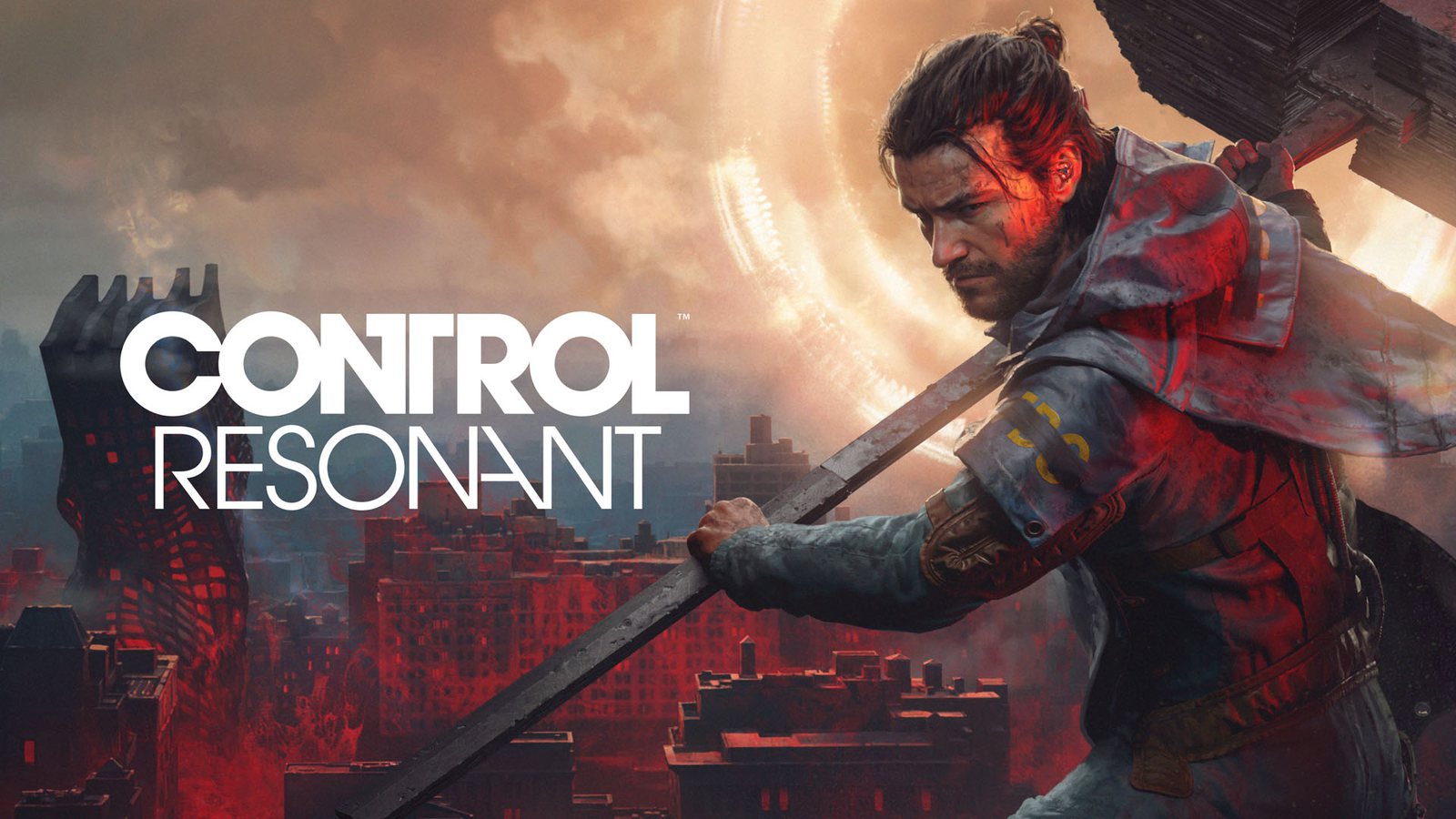
Is Control Resonant a Sequel? Everything You Need to Know
Discover if Control Resonant is a sequel to Remedy's hit game. Explore Dylan Faden’s journey, new combat mechanics, and the shift to an open-world Manhattan.
Published:
Table of Contents
Remedy Entertainment has a reputation for subverting expectations, and their latest release is no exception. As players dive into the neon-soaked, paranatural ruins of New York, the most pressing question is whether control resonant is a sequel or a completely separate spin-off. While the gameplay shift from a third-person shooter to a high-octane action-RPG might confuse some, the narrative ties are undeniable. In reality, control resonant is a sequel that picks up after the reality-shattering events of the first game, though it trades the claustrophobic corridors of the Oldest House for a sprawling, gravity-defying version of Manhattan.
Quick Answer
Yes, CONTROL Resonant is a narrative follow-up to the original Control. It features Dylan Faden as the new protagonist and takes place in a disaster-stricken New York City. While it functions as a standalone entry for newcomers, returning fans will find deep lore connections to the Federal Bureau of Control (FBC) and the Hiss.
A New Chapter in the Remedy Connected Universe
Understanding how control resonant is a sequel requires looking at its protagonist: Dylan Faden. In the original game, Dylan was a central figure—Jesse Faden’s brother and a primary vessel for the Hiss. This entry begins with Dylan waking from his long-standing coma, only to find the world outside the Oldest House has been transformed into a "monster disaster zone." The Hiss has leaked into the streets of New York, twisting the architecture in ways that evoke Inception mixed with a modern horror aesthetic.
Community reports suggest that while the game is designed to be an entry point for new players, the emotional weight of the story rests on Dylan's reckoning with his past sins. He is a character who is fundamentally untrusted by the world around him. This social isolation, combined with a standout performance by Shawn Durr, makes for a more somber and "aloof" narrative experience compared to Jesse’s rise to Director.
The Shift in Setting and Scope
Unlike the first game, which was confined to the shifting walls of a single building, Resonant introduces "Big Zones"—large, interconnected environments that function similarly to an open world. You aren't just navigating offices; you are running across Manhattan rooftops, investigating haunted interiors, and scaling skyscrapers that have been literally flipped upside down by paranatural forces.
Gameplay Evolution: From Shooters to Action-RPG
The most striking evidence that control resonant is a sequel that dares to evolve is the combat. Remedy has moved away from the "Service Weapon" gunplay of the first title in favor of a system that feels like a hybrid of Devil May Cry, Bayonetta, and Prototype. This is a melee-heavy experience where chaining abilities and managing "Dominance" is the key to survival.
Feature
Control (2019)
CONTROL Resonant
Protagonist
Jesse Faden
Dylan Faden
Primary Combat
Supernatural Shooter
Melee Action-RPG
Setting
The Oldest House (Internal)
Manhattan (Open Zones)
Traversal
Levitation & Dash
Gravity Flipping & Air Juggling
Structure
Metroidvania-lite
Open-Ended Action-RPG
According to player experience, the combat feels "spongy" in the early hours. Enemies take significant damage before falling, which can feel like a grind. However, as Dylan unlocks more "Objects of Power," the gameplay transforms. The introduction of the "Falter" meter (a stagger mechanic) allows you to perform finishers that grant "Dominance," a temporary power boost that lets you mow through groups of enemies that were previously daunting.
Master the Combat System: Weapons and Afflictions
In this sequel, weapons are not just tools; they are distinct playstyles. You have primary and secondary weapon attacks that can be augmented with special abilities triggered by the controller's triggers. The depth comes from stacking "Afflictions" like Burn or Infection to create devastating chain reactions.
Core Weapon Types and Synergies
Community guides recommend experimenting with weapon combinations early on to find a flow that mitigates the "spongy" nature of the Hiss-corrupted foes.
Weapon Combination
Playstyle
Key Synergy
Daggers + Drill
High Speed / Single Target
Use Daggers for quick hits, then the Drill for massive backstab damage.
Longblade + Whip
Crowd Control
Sweep enemies with the blade and pull them back with the Whip.
Sledgehammer + Gravity
Heavy Hitter
Use gravity to slam enemies into the ground for massive Falter damage.
One of the most effective strategies discovered by the community involves the "Master Backstabber" talent. By using an uppercut to launch an enemy into the air, you can dash behind them and unleash a charged drill attack. Because the talent increases backstab damage by 50%, this combo can effectively "delete" elite enemies that would otherwise take minutes to whittle down.
Don't Forget the Vending Machines!
Keep an eye out for red-glowing vending machines. If you attack them, they will try to run away. Chasing them down and destroying them yields rare crafting resources and "Respec" items that allow you to re-roll your build for free.
Gravity Manipulation and Exploration
A major reason why control resonant is a sequel worth playing is the verticality. Dylan eventually gains the ability to flip gravity, allowing him to walk on the sides of buildings or even the ceiling of Manhattan’s streets. This isn't just a traversal gimmick; it is fully integrated into combat. You can engage Hiss clusters while standing on a vertical wall, pulling enemies into the "sky" (which is actually the street below you).
Navigation Challenges
While the exploration vibes are strong, players should be aware that the in-game map has been criticized in community reports for being "cluttered and unhelpful." The twisting nature of the paranatural New York means that interiors can often look similar, leading to some disorientation. However, the sense of scale when running along the side of a skyscraper is a technical spectacle that few games achieve.
Character Progression and the Mind Palace
Remedy has iterated on the "Mind Place" mechanic from Alan Wake 2 to handle Dylan's progression. By holding down on the D-pad, Dylan enters a "Void"—a mental space where you can instantly manage your character build, upgrade weapons, and craft new items without a loading screen.
Crafting and Resources
Upgrading Dylan requires a variety of resources with "silly words" that can be hard to track. The game encourages constant exploration to pop crates and complete side quests.
Steps to Upgrade Dylan:
Enter the Void: Access the Mind Palace to view your current loadout.
Resource Check: Ensure you have enough "Living Shards" or specific paranatural materials.
Weapon Tuning: Attach mods that add elemental afflictions like Burn or Infection.
Talent Tree: Focus on "Dominance" duration or "Falter" efficiency to improve combat flow.
Training: Use the built-in training room to test new combo finishers before heading back to Manhattan.
Technical Performance and Customization
For those playing on the latest hardware, the official Steam store page for CONTROL Resonant highlights the game's technical ambitions. Running on the PS5 Pro in Performance Mode, the game targets 60 FPS, though community members have noted occasional dips during intense combat encounters involving dozens of enemies.
Visual Flickering
Some players have reported grainy textures and lighting flickering on metallic surfaces when playing in performance mode. These are expected to be addressed in future patches, but they can be distracting during high-speed traversal.
Customizing Dylan
Unlike the relatively static appearance of Jesse in the first game, Dylan offers extensive customization. Players can change his hairstyle, beard, and clothing. Whether you want him to look like a "poncho-wearing man-bun guy" or a tactical operative with goggles and hats, the flexibility is a welcome addition to the RPG structure.
The Verdict: A Worthy Successor?
Even though the gameplay style has shifted significantly, the core identity of a Remedy game remains intact. You are still hunting "Objects of Power," investigating "haunted" urban locations, and piecing together a complex narrative through mixed-media experiments and environmental storytelling. The fact that control resonant is a sequel that refuses to play it safe is perhaps its greatest strength. It takes the lore of the first game and applies it to a much larger, more ambitious canvas.
The transition from a linear Metroidvania to an open-zone action-RPG is successful, even if the early-game combat tuning needs some adjustment. For fans of the original, seeing Dylan’s journey and the fate of the world outside the FBC is essential. For newcomers, it serves as a high-octane introduction to one of gaming's most unique universes.
FAQ: Understanding the Sequel
Is Control Resonant a sequel to the 2019 game?
Yes, control resonant is a sequel that follows the events of the original Control. It features Dylan Faden as the protagonist and explores the aftermath of the Hiss invasion in New York City.
Do I need to play the first Control before Resonant?
While it is not strictly necessary, playing the first game provides valuable context for the "quirkiness" of the world and Dylan's history. However, the game includes a "Previously On" video in the main menu to help new players catch up quickly.
How does the combat differ from the original game?
The original game was a supernatural third-person shooter. Resonant is an action-RPG focused on melee combat, combos, and gravity manipulation, drawing comparisons to titles like Devil May Cry and Gravity Rush.
What is the "Dominance" mechanic?
Dominance is a temporary power state triggered by performing finishers on enemies whose "Falter" (stagger) meter has been filled. While in Dominance, Dylan deals significantly more damage, allowing him to chain kills together more efficiently.