Control Resonant NVIDIA Performance Guide: DLSS 4.5 & RTX
Discover how to optimize Control Resonant NVIDIA settings with DLSS 4.5 and Path Tracing. Get the best performance on RTX 50 series for Remedy's latest RPG.
Published:
Table of Contents
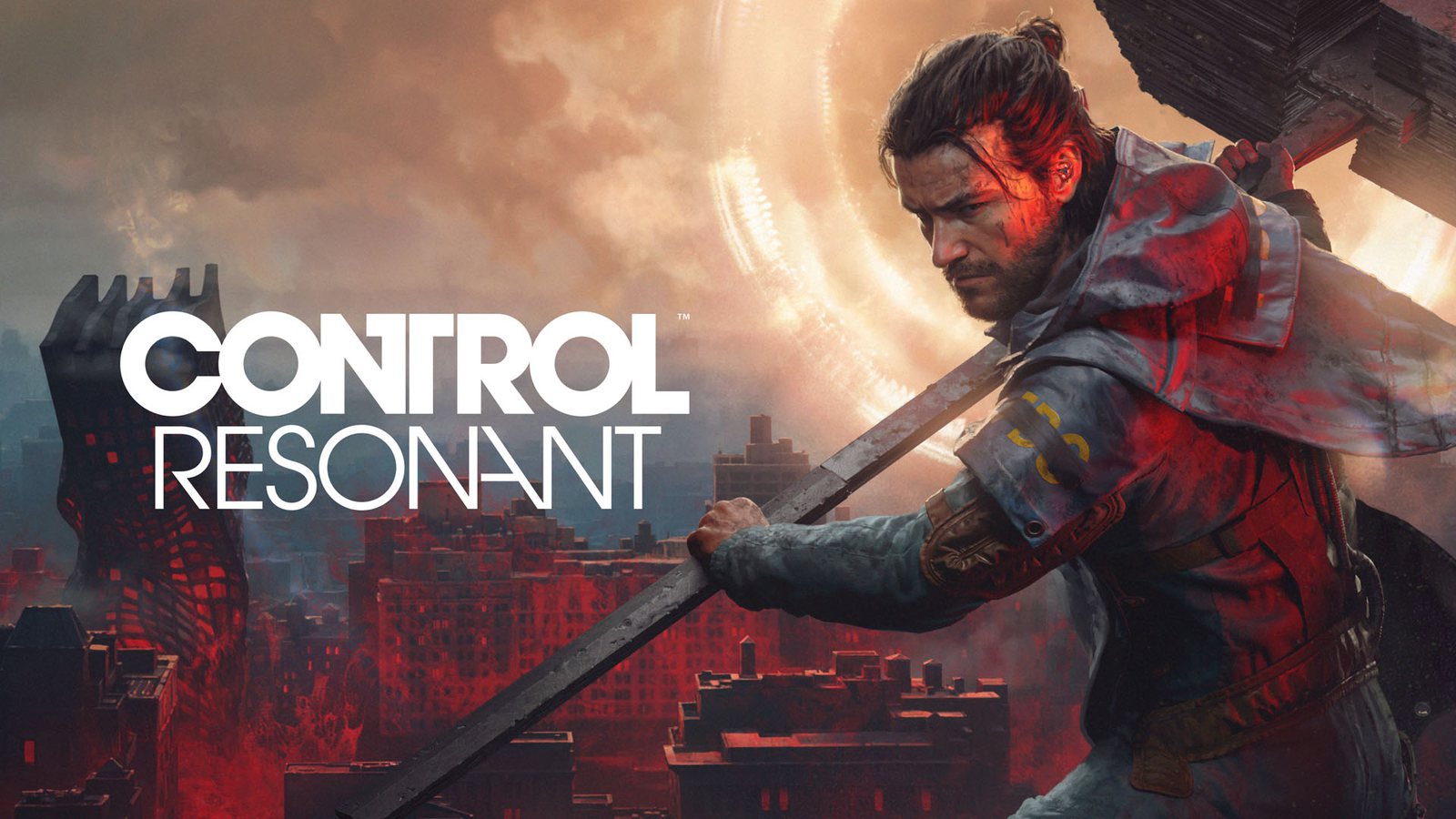
Remedy Entertainment has once again pushed the boundaries of PC gaming with their latest action RPG, delivering a visually stunning experience that demands the best from your hardware. To truly appreciate the warped Manhattan setting, understanding the synergy between control resonant nvidia technologies is essential for every player. Whether you are stepping into the shoes of Dylan Faden for the first time or upgrading your rig for the sequel, the integration of cutting-edge rendering techniques defines the definitive way to play.
The transition from the original 2019 title to this expansive sequel brings a massive leap in graphical fidelity, specifically through the implementation of full path tracing. However, achieving high frame rates while maintaining these "crazy" visuals requires a deep dive into the control resonant nvidia ecosystem, including the debut of DLSS 4.5. In this guide, we will break down the technical requirements, the impact of neural rendering, and how to optimize your settings for the ultimate paranatural adventure.
The Evolution of Ray Tracing in Remedy’s Northlight Engine
When the original Control launched, it was hailed as a benchmark for ray tracing, primarily focusing on reflections and transparent surfaces within the contained, brutalist architecture of the Oldest House. CONTROL Resonant takes this a step further by moving the action to the streets of Manhattan. According to Remedy developers, the biggest difference in this sequel is the move toward full path tracing, which integrates lighting much more deeply into the game's movement and destructible environments.
Path tracing, often referred to as "full ray tracing," simulates the behavior of light across an entire scene. In CONTROL Resonant, this means that every light source—from the flickering neon signs of a distorted New York to the glowing projectiles of the Hiss—casts physically accurate shadows. Unlike the original game, where ray tracing was an "easy case" due to small indoor locations, the sequel handles massive outdoor zones where bounce lighting affects every moving object, breakable prop, and enemy.
Feature
Original Control (2019)
CONTROL Resonant (2026)
Primary Lighting
Rasterized with RT Reflections
Full Path Tracing (Unified)
Shadows
Hybrid Ray-Traced Shadows
Dynamic Shadows from All Lights
Reflections
Screen Space + RT Reflections
Full Path Traced Reflections
Global Illumination
Static/Pre-baked elements
Real-time Multi-bounce GI
Protagonist
Jesse Faden
Dylan Faden
Why Path Tracing Matters
Path tracing provides a believable baseline for the world before the "crazy" paranatural elements take over. It allows live-action video footage—a staple of Remedy games—to be reflected accurately in the environment, grounding the surreal narrative in a realistic visual context.
Leveraging DLSS 4.5 for Control Resonant NVIDIA Performance
To handle the immense computational load of path tracing, Remedy has collaborated closely with NVIDIA to implement DLSS 4.5. This version of Deep Learning Super Sampling is not just about upscaling; it is a comprehensive suite of AI-powered tools designed to maximize both image quality and fluid motion. For players using control resonant nvidia hardware, DLSS 4.5 introduces the second-generation Transformer for Super Resolution and Ray Reconstruction.
Ray Reconstruction is particularly vital in Resonant. In traditional rendering, hand-tuned denoisers are used to fill in missing pixels in ray-traced effects, which can lead to ghosting or loss of detail in fast-paced action. DLSS 4.5 replaces these denoisers with an AI network trained on massive datasets, allowing the game to resolve moving shadows and reflections with much higher clarity. This is crucial for a "fast-paced push forward" action game where player reaction time is tied to visual feedback.
DLSS 4.5 Component
Function
Impact on Gameplay
Super Resolution
Renders at lower internal resolution
Significant FPS boost
Ray Reconstruction
AI-driven denoising of light rays
Sharper reflections and less ghosting
Dynamic Multi Frame Generation
AI-generated intermediate frames
Smoother motion on high-refresh monitors
NVIDIA Reflex
Reduces system latency
Snappier button-to-pixel response
According to developer interviews, the philosophy at Remedy is focusing on "what we do with the pixels rather than just the sheer amount of pixels." By rendering at a lower resolution and using AI to reconstruct the image, the team can afford to implement more complex physics and lighting interactions that would otherwise be impossible on modern consumer hardware.
Optimized Settings for RTX 50 Series and Beyond
With the launch of the control resonant nvidia RTX 50 Series bundle, many players are entering the game with top-tier hardware like the GeForce RTX 5090 and 5080. However, even with these "beefy rigs," finding the right balance between "RTX On" and stable frame rates requires specific adjustments. Based on community reports and early technical analysis, the following settings are recommended for different hardware tiers.
Recommended Settings for High-End RTX 50 Series
For those running an RTX 5090 or 5080, the goal is "Path Tracing Excellence." You should enable all features to experience the game as intended by the creators.
Resolution: 4K (3840 x 2160)
DLSS Super Resolution: Quality or Balanced
DLSS Frame Generation: On
Ray Reconstruction: On
Path Tracing: Ultra
Texture Quality: Ultra
Recommended Settings for Mid-Range RTX 5070 / 40 Series
Players on slightly older or mid-range hardware need to be more selective. While the control resonant nvidia experience is still best with RT on, you may need to rely more heavily on DLSS.
Resolution: 1440p
DLSS Super Resolution: Performance
DLSS Frame Generation: On (if available)
Ray Reconstruction: On
Path Tracing: Medium/High
Reflections: High
Community Tip: Managing VRAM
Several players have noted in community reports that enabling Ultra Path Tracing at 4K can exceed 16GB of VRAM in the "Manhattan Overrun" zones. If you experience stuttering, try lowering the "Texture Streaming" setting by one notch before disabling ray-traced effects.
The Control Resonant NVIDIA RTX 50 Series Bundle
To celebrate the launch, NVIDIA has introduced a limited-time bundle for the game. This is a significant incentive for players looking to upgrade their hardware specifically for Remedy's new engine. The bundle includes a Steam copy of the game with the purchase of qualifying GPUs, laptops, and desktop systems.
Qualifying Product Category
Eligible Models
Desktop GPUs
RTX 5090, 5080, 5070 Ti, 5070
Laptops
RTX 5090, 5080, 5070 Ti, 5070 Laptop GPUs
Pre-built PCs
Systems featuring the above GPUs from participating partners
To redeem the bundle, users must use the NVIDIA App on a system with the qualifying hardware installed. This streamlined process adds the game directly to your Steam account, ensuring you have the latest version with all Day 1 patches. It is highly recommended to install the Game Ready Driver released specifically for the September 24th launch to avoid initial stability issues reported in pre-release builds.
Deep Dive: Dylan Faden and the Paranatural Manhattan
The narrative of CONTROL Resonant picks up where the 2019 original left off. While the first game focused on Jesse Faden searching for her brother, the sequel puts players in control of Dylan as he wakes from his coma. This shift in perspective is not just narrative; it changes the gameplay dynamic. Dylan’s abilities are described as "extraordinary powers" that interact with the environment in ways Jesse’s did not.
The setting of Manhattan has been ravaged by the Hiss and a new invasive micro-organism known as the Mold. These two forces compete for control over the city, creating a chaotic "warped reality." From a technical standpoint, the Mold presents a unique challenge for the control resonant nvidia lighting system. The organic, pulsating nature of the Mold requires complex subsurface scattering—a technique that simulates how light penetrates translucent surfaces—which is enhanced by path tracing to make the infestation look truly repulsive and alien.
Common Technical Challenges and How to Fix Them
Despite the advanced AI tools, players may encounter specific issues depending on their configuration. "Player experience" is at the forefront of Remedy's design, but the complexity of path tracing can lead to artifacts.
Ghosting in Fast Combat: If you see trailing images behind Dylan or enemies, ensure Ray Reconstruction is enabled. This is a common "community report" issue where players mistakenly use legacy denoisers instead of the AI-powered DLSS 4.5 version.
Input Lag: As a fast-paced action game, latency is the enemy. Always keep NVIDIA Reflex set to "On + Boost" to ensure that the time between a button press and the action on screen is minimized.
Path Tracing Noise: In very dark areas of the Manhattan subway, you might notice a "grainy" texture. This is often caused by setting the DLSS Super Resolution to "Ultra Performance" on a 1080p monitor. For the best results, try to stay in "Quality" or "Balanced" modes.
Check Your Drivers
Running CONTROL Resonant on outdated drivers may cause the path-traced shadows to flicker or fail to render entirely. Always update to the latest Game Ready Driver via the NVIDIA App before launching the game for the first time.
Conclusion: The Future of Action RPGs
CONTROL Resonant is more than just a sequel; it is a showcase of what is possible when creative vision meets cutting-edge technology. By utilizing the full suite of control resonant nvidia features, Remedy has created a world that feels both impossibly surreal and tangibly real. The combination of Dylan Faden’s journey, the haunting beauty of a Hiss-corrupted Manhattan, and the sheer performance power of DLSS 4.5 makes this a landmark title for PC enthusiasts.
As you explore the expansive zones and unlock Dylan's potential, remember that the technology is there to serve the immersion. Whether you are marvelling at the live-action reflections in a rain-slicked street or engaging in high-speed combat against the Mold, the synergy between hardware and software ensures that your "beefy rig" is well justified.
FAQ: Control Resonant NVIDIA Technical Questions
Does Control Resonant support DLSS 3 Frame Generation?
Yes, but it actually goes further by supporting DLSS 4.5, which includes Dynamic Multi Frame Generation and Ray Reconstruction. This provides a superior experience compared to older versions of DLSS, especially when path tracing is enabled.
Can I play Control Resonant without an NVIDIA RTX card?
While the game will run on non-RTX hardware that meets the minimum Steam requirements, you will not be able to access path tracing, Ray Reconstruction, or DLSS. The visual experience and performance will be significantly different, as the game is heavily optimized for the control resonant nvidia ecosystem.
What is the benefit of the RTX 50 Series bundle?
The bundle provides a free Steam copy of the game (valued at full retail price) and ensures you have the hardware necessary to run the game at its "Definitive" settings, including full path tracing at high frame rates.
How do I enable Path Tracing in the game menu?
Navigate to the "Display" or "Graphics" settings menu. Look for the "Ray Tracing" section and toggle the "Path Tracing" option to On. Note that this requires a restart of the game engine in some community reports to fully apply all lighting changes to the Manhattan environments.