Control Resonant Preview: Is Remedy’s New Action RPG Worth It?
Discover our in-depth Control Resonant preview. We analyze the melee-focused combat, open-world design, and why this sequel is a must-play for fans.
Published:
Table of Contents
The gaming world is buzzing with anticipation as Remedy Entertainment pivots from the familiar physics-based shooters of the past to a bold new direction. Our Control Resonant preview dives deep into the heart of this stylish melee-action sequel, revealing how it successfully transforms the series' DNA into a fast-paced RPG experience. If you’ve been wondering whether this massive shift away from guns works, you aren’t alone—but early impressions suggest that Control Resonant is shaping up to be one of the most mechanically satisfying games of the year.
This matters because Remedy isn’t just swapping weapons; they are fundamentally rethinking how we interact with the supernatural. By trading the service pistol for visceral melee combat and gravity-defying traversal, the studio has created a playground that feels both dangerously new and comfortingly familiar. Whether you are a veteran of The Oldest House or a newcomer drawn to the promise of high-octane action, understanding these new systems is the key to dominating the twisted streets of Manhattan.
A Fresh Take on Combat: The Shift to Melee
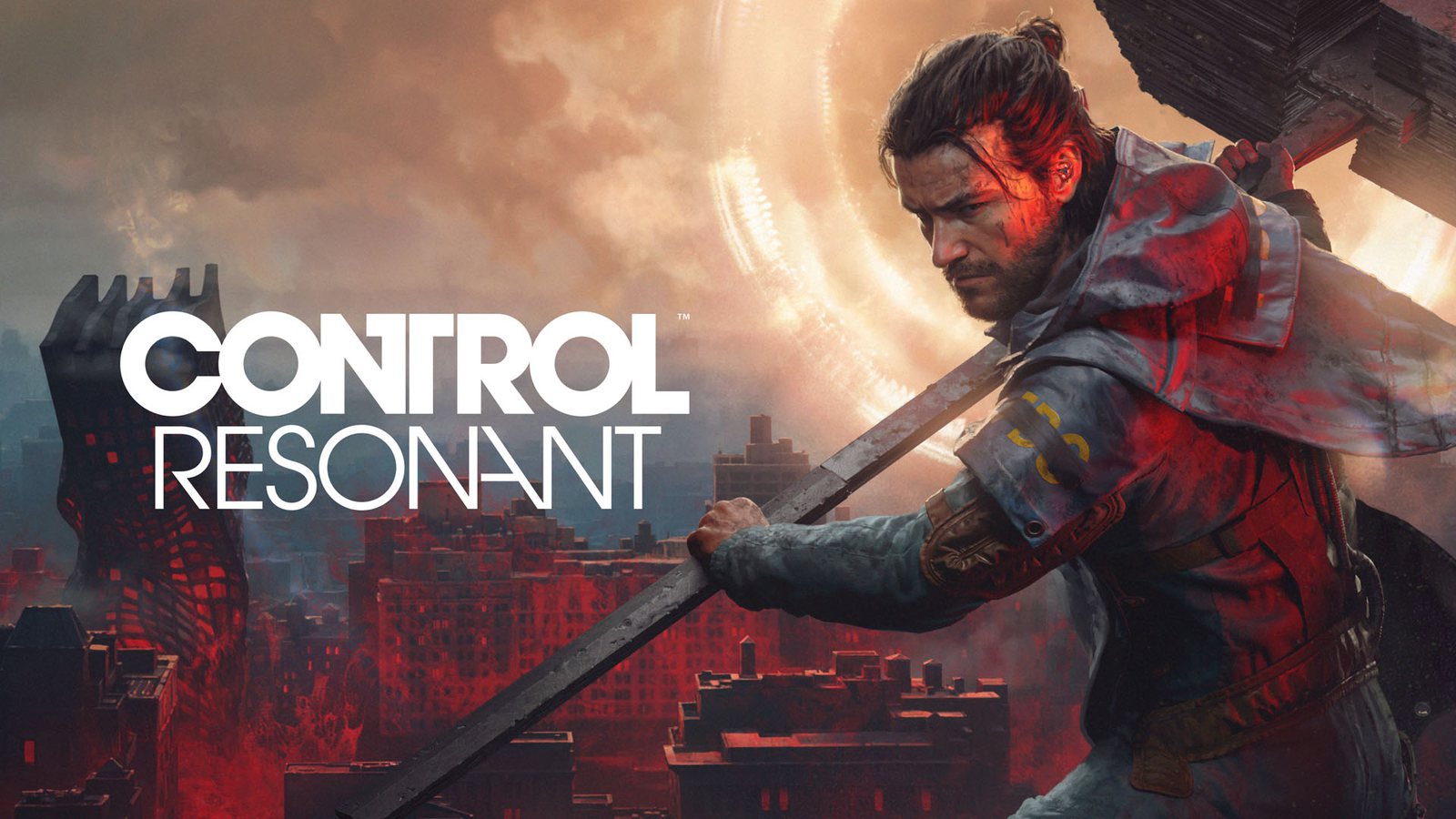
The most striking element of the game is the departure from traditional shooting mechanics. In Control Resonant, the combat is entirely redefined as an offense-first experience. Players control Dylan Faden, and the focus is on fluid, aggressive, and rewarding melee encounters that feel closer to the rhythm of Doom (2016) or Devil May Cry than the original game.
Mastering the Falter System
One of the most critical aspects of combat is the "falter" meter. This yellow bar beneath enemy health acts as a stagger mechanic. Once broken, enemies are vulnerable to high-damage executions.
Action
Effect
Why it matters
Crush Secondary
High blunt damage
Best for breaking enemy armor quickly
Uppercut Surge
Launches enemies
Keeps foes airborne for safe combos
Dominance Talent
Boosts damage post-execution
Heals you and accelerates follow-up kills
As noted in our Control Resonant preview, relying on the "falter dominance loop" is essential. By building up the yellow bar, executing a foe, and triggering the Dominance buff, you gain a significant damage increase and, more importantly, a reliable source of healing via blue health elements.
Essential Loadout Tips for Early Game
Building your character in Control Resonant can feel overwhelming given the deep talent trees and weapon variety. Based on community reports and hands-on demos, your early choices significantly impact how effectively you can traverse Manhattan and tackle boss encounters.
The Volatile Anomaly Strategy
While many players flock to the Shield ability, experienced players recommend the Volatile Anomaly for its superior crowd control and AoE damage. Summon it, let it chip away at health, and then launch it at a group for massive falter buildup.
To keep your power level high, avoid sitting on talent points. Use the following table to help guide your early-game weapon and ability synchronization:
Category
Recommendation
Synergy Benefit
Primary Weapon
Glaive
Excellent reach and power-charge generation
Secondary Weapon
Crush
Efficient armor stripping for tanky foes
Ability
Volatile Anomaly
Passive damage and explosive finisher potential
Traversal and Environmental Storytelling
The game world is no longer confined to the brutalist walls of The Oldest House. Instead, you explore a surreal, warped version of Manhattan. Traversal is central to the gameplay, with double jumps, gliding, and air dashes allowing for unprecedented verticality.
Finding Jesse’s Projections
The environment is rich with lore, much of which is hidden behind the manifestations of Jesse Faden. If you see a psychedelic projection, do not ignore it. These are often linked to "faults"—special dimensions that serve as the gateway to unlocking new movement mechanics. If you feel stuck, it is likely because you haven't discovered the necessary movement ability within a nearby fault.
Analyzing the New Boss Mechanics
Boss fights in the game are intense, rhythmic tests of skill. Unlike the original title, these encounters force you to stay in constant motion. The lava-spewing bosses and factory-dwelling entities serve as prime examples of how the new combat system demands aggression.
Boss Fight Design Principles
No Checkpointing: The game encourages "attack as defense." Bosses provide healing drops, so retreating is often a death sentence.
Constant Motion: Staying still during major encounters leads to being overwhelmed by area-of-effect attacks.
Smart Healing: Healing isn't passive; it is earned through aggressive play and landing executions at specific health milestones.
For those looking to optimize their performance, you can check out the official Control Resonant Steam page to stay updated on the latest patches and weapon balancing.
The Strategy for Success: Common Mistakes to Avoid
Many players fail because they treat Control Resonant like a standard third-person shooter. Here are a few common pitfalls reported by the community:
Ignoring the Power Bar: Your power bar is for combat abilities, not just defense. Depleting it completely locks you out of key moves. Keep it above halfway to ensure you have an emergency response.
Neglecting Vendor Upgrades: Ice cream trucks acting as vendors are your lifeline for resource management. Always look for the money icon on your map after activating map kit towers.
Hoarding Reset Items: While rare, you need to use them if your build feels stale. Don't be afraid to experiment; you can even duplicate your save file from the main menu if you want to test multiple ability paths safely.
Final Thoughts on the Preview
After spending hours with the demo, it is clear that Remedy has taken a significant risk. The result is a game that feels more expansive, daring, and mechanically deeper than its predecessor. Whether you are chaining aerial combos with a giant hammer or manipulating gravity to solve environmental puzzles, the experience is consistently rewarding.
Frequently Asked Questions (FAQ)
Q: Is Control Resonant a direct sequel to the 2019 game?
A: Yes, it follows the story of Dylan Faden as he searches for his sister Jesse, set after the events of the original title.
Q: Do I need to be good at action games to enjoy Control Resonant?
A: While the combat is fast, the talent tree and build flexibility allow you to lean into playstyles—like tankier or ranged builds—that might make the game more accessible if you find the melee combat challenging.
Q: What is the most important combat mechanic for beginners?
A: The "Falter Dominance Loop" is crucial. Learning to build up an enemy's yellow falter bar to perform an execution is the fastest way to heal and boost your damage output early on.
Q: Can I change my build once I've unlocked abilities?
A: Yes, you can use "reset items" to swap your primary/secondary weapon forms and combat abilities, though these items are rare and should be used strategically.