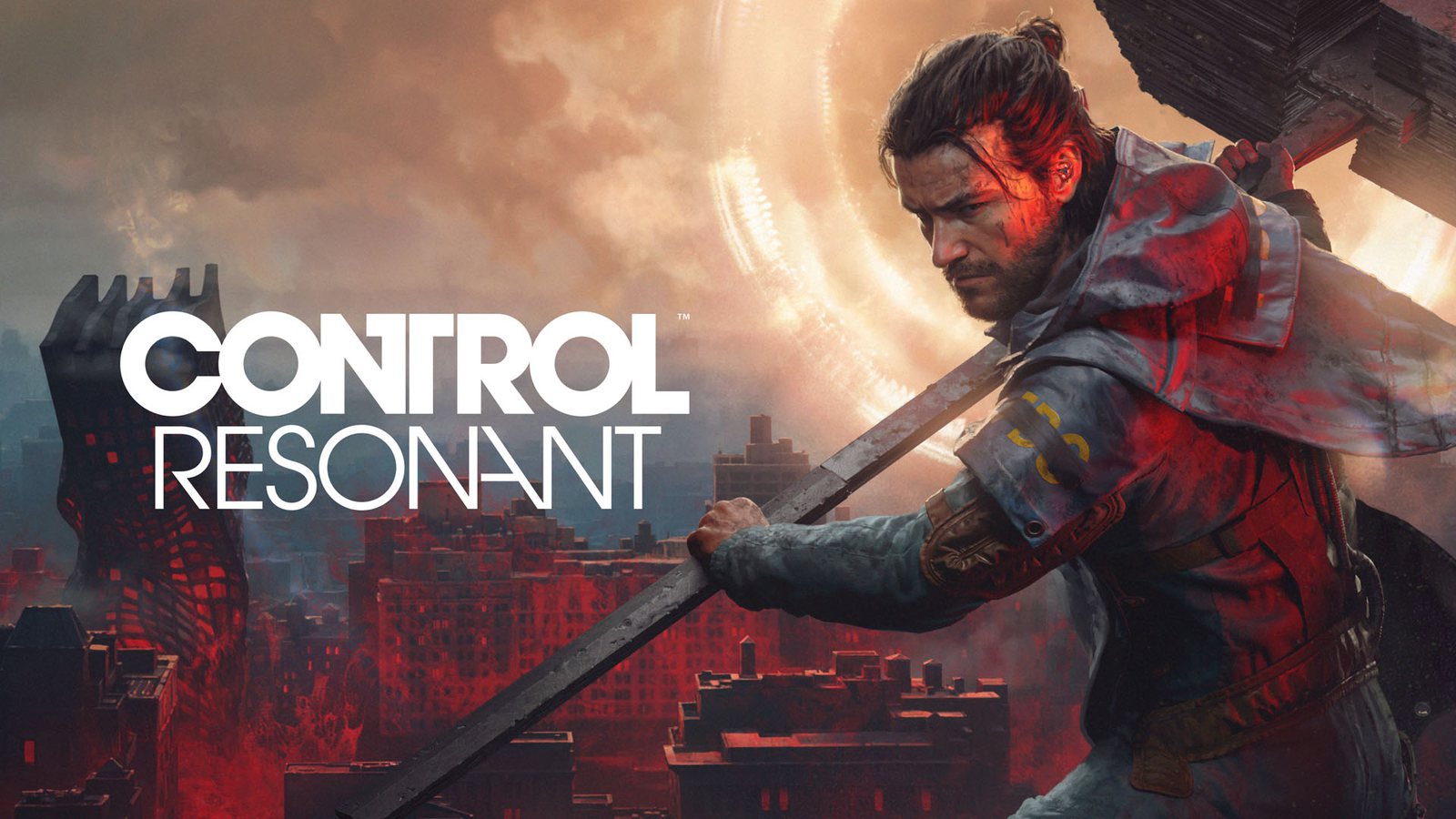
Everything You Need to Know About the Control Resonant Switch 2
Dive into the Control Resonant Switch 2 experience. Learn about gameplay, combat mechanics, and tips for navigating Remedy’s latest reality-bending masterpiece.
Published:
Table of Contents
The wait is finally over for fans of the Remedy Connected Universe. As players dive into the strange, gravity-defying streets of a warped Manhattan, the buzz surrounding the Control Resonant Switch 2 experience has reached a fever pitch. Whether you are a veteran of the Oldest House or a newcomer looking for your next action-RPG obsession, understanding how this title shifts the series' trajectory is vital for your journey.
In this guide, we break down why the Control Resonant Switch 2 mechanics—specifically the evolution into a melee-focused action-RPG—mark a bold, transformative step for developer Remedy Entertainment. From character progression to mastering the Aberrant weapon, we’ll help you navigate this paranatural nightmare effectively.
The Evolution of Combat: From Shooter to Action-RPG
Remedy Entertainment has pivoted significantly from the third-person shooter foundations of the original Control. The game now emphasizes fluid, combo-heavy melee combat that feels closer to modern character-action games. You play as Dylan Faden, whose toolkit is designed for aggressive engagement rather than defensive cover-shooting.
Feature
Original Control
Control Resonant
Primary Combat
Third-person Shooter
Melee Action-RPG
Mobility
Levitate/Dash
Aerial Juggling/Gravity Shifts
Weaponry
Shape-shifting Gun
Shape-shifting "Aberrant"
World Structure
Interconnected Metroidvania
Expansive Open-ended Zones
The shift towards RPG mechanics means you now have deep character skill trees and weapon upgrade paths. According to the developers, this "natural progression" allows you to specialize in different combat flows. If you find yourself struggling, focus on investing your skill points into your "Falter" meter upgrades early on, as this is the key to opening enemies up for finishers.
Mastering the Aberrant: Your Ultimate Weapon
Unlike Jesse’s Service Weapon, the Aberrant is a unique entity that responds to your combat style. Depending on whether you perform light, heavy, or finishing strikes, the weapon cycles through forms like swords, scythes, hammers, and drills.
Why Combat Feel Matters
Early on, players might feel that the combat is "spongy." Community reports suggest that this is a result of enemy scaling and lack of initial power-ups. The trick is to stop treating combat as a grind and start treating it as a rhythm game.
[!TIP]
Maximize Your Dominance Window
Whenever you trigger a finisher on a "faltered" enemy, you enter a "Dominance" state. During this time, your damage output is significantly boosted. Chain these kills together to melt through groups of Hiss-infected enemies that previously seemed impossible to down.
Navigation and Exploration in a Warped Manhattan
While many players were looking for an open-world title, Remedy has crafted something more focused: large, distinct zones that feel interconnected through environmental storytelling. You are not just walking through NYC; you are exploring layers of reality that have folded in on themselves.
Map Awareness
The in-game map can be cluttered and difficult to parse. Rely on visual landmarks rather than your UI. Pay attention to floating architecture and shifts in the environment—if a street seems to lead to the ceiling, it probably does.
For those who crave more exploration, prioritize finding the hidden side-quest taxi cabs. These encounters often yield rare crafting materials needed for high-tier upgrades, as noted in various Control Resonant official details.
Building Your Ideal Loadout
Progression in the game relies on your ability to adapt. As you move through the campaign, you will need to customize Dylan’s build to handle specific enemy types. Here is a breakdown of how to prioritize your resources:
Upgrade Type
Priority
Benefit
Ability Cooldowns
High
More frequent use of gravity-bending powers
Falter Damage
High
Faster access to finisher moves
Health Capacity
Medium
Vital for "spongy" boss encounters
Status Effects
Low/Situational
Useful specifically for mold-heavy areas
According to player feedback, the "Ignite" power is a game-changer. It allows you to melt through enemy armor and provides a much-needed tactical advantage against groups. Once you hit the mid-game, experimenting with weapon rerolls—though they require a consumable—is highly recommended to find the specific playstyle that suits you.
Tactical Combat Tips for Boss Encounters
Boss battles in this game are spectacular but can be frustrating if you treat them like standard encounters. Some bosses lean heavily into aerial mechanics, requiring you to master floating and air-dashing.
Don't Over-Commit: Since the game allows animation canceling, you can dodge mid-combo if you notice an enemy winding up an attack.
Manage the Minions: Most boss fights spawn smaller enemies. Instead of ignoring them, use them as "health packs" to keep your HP topped up during the longer, high-stamina encounters.
Focus on Stagger: If you are hitting a damage wall, stop looking at the health bar and start looking at the stagger/falter gauge. Once that breaks, the real damage begins.
Frequently Asked Questions (FAQ)
Q: Do I need to play the original Control before starting Control Resonant?
A: While it is a sequel, the narrative is accessible to newcomers. However, playing the original game will significantly flesh out the lore and help you understand the "why" behind the paranatural events. There is also a "Previously On" video available in the main menu to get you up to speed.
Q: How does the Control Resonant Switch 2 combat differ from other action games?
A: It blends the stylish, combo-focused speed of games like Devil May Cry with the environmental destruction and gravity manipulation Remedy is known for. The focus is on maintaining flow, managing the stagger meter, and utilizing aerial traversal.
Q: Is the game truly open-world?
A: It is "open-ended." Rather than one massive map, you navigate expansive, highly detailed zones. This structure keeps the game focused and ensures that exploration feels meaningful rather than just a checklist of chores.
Q: Any tips for the early game?
A: Keep your eyes open for side quests. They are the best way to earn experience and crafting materials early on, which will help you push through the more challenging initial combat encounters. Don't be afraid to experiment with your talent trees; you can adjust your build as you go.