Control Resonant Metacritic Scores: Is the Sequel Worth It?
Discover the latest Control Resonant Metacritic scores and in-depth reviews. Learn how Dylan Faden’s journey in Manhattan redefines the Remedy universe today!
Published:
Table of Contents
Remedy Entertainment has officially unleashed its latest paranatural epic, and fans are rushing to see how the sequel measures up. By checking the control resonant metacritic rating, it is clear that the studio’s shift toward an action-RPG framework has resonated with critics and players alike. Whether you are a veteran of the Oldest House or a newcomer to the FBC’s surreal world, understanding why the control resonant metacritic score matters is essential before diving into the warped streets of Manhattan.
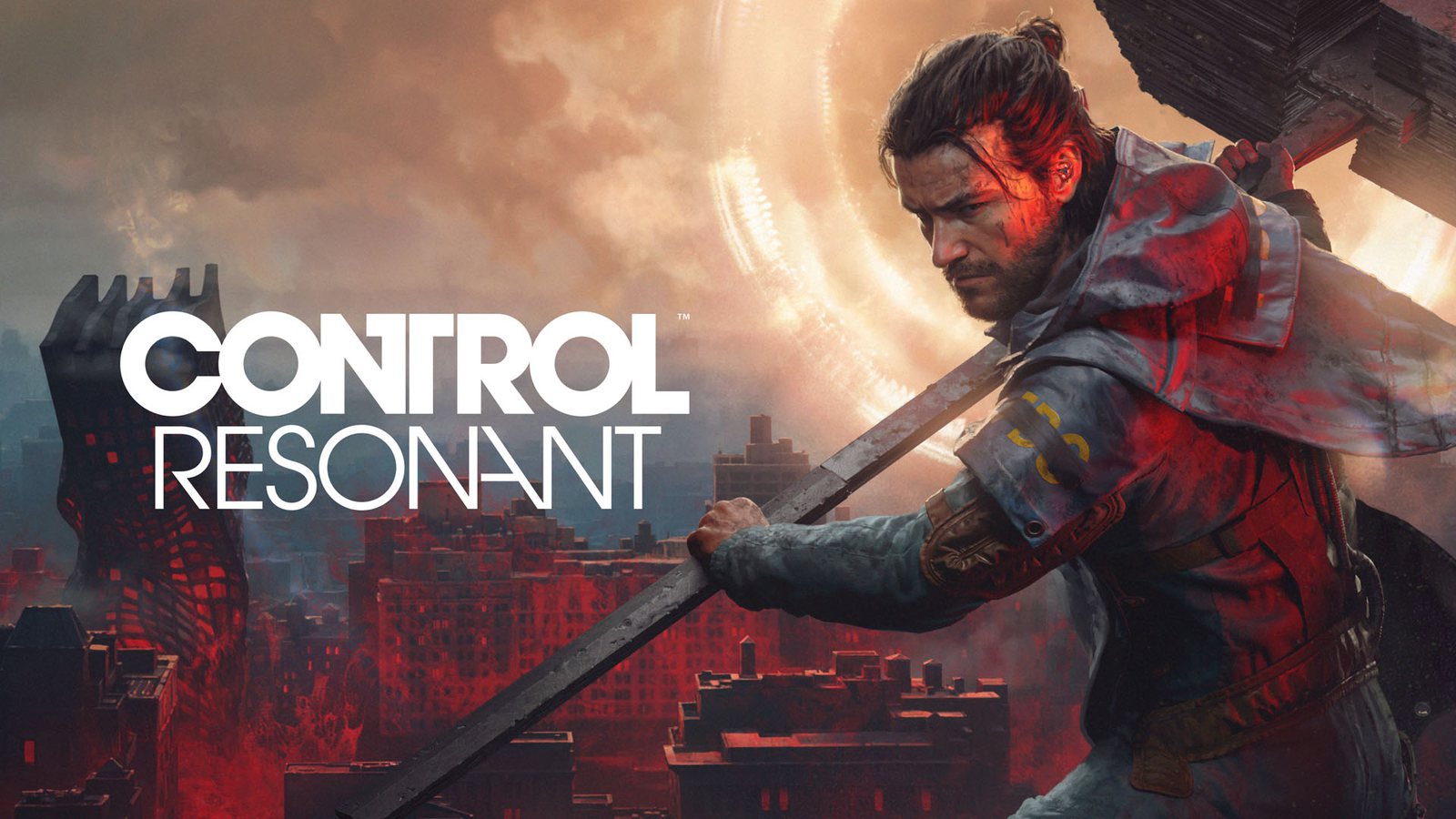
Seven years after the Hiss lockdown, the narrative focus shifts from Jesse Faden to her brother, Dylan. Emerging from a coma into a world where the "Patterning" has twisted New York City into an Escher-esque nightmare, Dylan must navigate his past trauma while wielding the Aberrant—a reality-shifting weapon. The critical reception suggests that while the game takes a bold new direction, it maintains the "Remedy weirdness" that made the 2019 original a cult classic.
Analyzing the Control Resonant Metacritic Scores
The initial wave of reviews has painted a picture of a "Generally Favorable" reception. As of launch day, the scores across various platforms indicate a high level of consistency, though some technical differences persist between the PC and console versions. Most critics agree that the game is a significant evolution rather than a mere expansion.
Platform
Metascore
Number of Reviews
Critic Consensus
PlayStation 5
84
69
Generally Favorable
Xbox Series X
80
11
Positive / Mixed
PC (Steam)
83
42
Generally Favorable
OpenCritic
85
N/A
Strong Recommendation
According to the control resonant metacritic breakdown, the game’s greatest strengths lie in its art direction and atmospheric world-building. However, some lower scores stem from technical quibbles on the PS5, including minor frame rate dips and "noise" in shiny background objects during dialogue. Despite these small hurdles, the 84-85 range puts it slightly above the original Control at launch, suggesting that Remedy’s experimental risks have largely paid off.
A Narrative Shift: From Jesse to Dylan Faden
One of the most debated aspects of the game is the change in protagonist. Dylan Faden is a very different lead than Jesse. Having spent decades in FBC confinement, Dylan’s worldview is fractured and awkward. Community reports suggest that while he may be difficult to like initially, his growth—from a "disposable asset" for the FBC to a self-actualized hero—is one of the most emotionally arresting arcs Remedy has ever written.
Dylan is paired with Zoe Divera, an FBC field agent who serves as his foil. Zoe is a standoffish workaholic who provides the necessary grounding for Dylan’s more abstract, paranatural perspective. Their chemistry evolves naturally throughout the 30-hour campaign, moving from a strictly professional relationship to a genuine bond.
The Plot of the Patterning
The story centers on the "Patterning," a paranatural cataclysm keeping the Hiss contained within Manhattan while simultaneously warping the city’s geography. Dylan must venture into "Faults" to assist Jesse—who remains a vital, if mysterious, presence—while uncovering the truth behind the Resonance entities. These entities are not just monsters; they are powerful beings connected to the city’s transformation, serving as the game’s primary bosses.
Combat Reimagined: The Aberrant and Melee Focus
If you were expecting more of the third-person shooting from the first game, you are in for a surprise. Beyond the control resonant metacritic numbers, the most significant change is the combat system. Dylan utilizes the Aberrant, a weapon that focuses on fast, melee-focused action.
Weapon Forms and Damage Types
The Aberrant can swap between primary and secondary forms, each dealing specific types of damage. Mastering these forms is the key to surviving the diverse enemy types found in Manhattan.
Weapon Form
Damage Type
Best Used Against
Special Effect
Cleave
Sharp
Unarmored Hiss
High critical hit chance
Flurry (Daggers)
Sharp
Fast-moving targets
Rapid attacks build Falter
Glaive
Blunt
Armored Heavies
Large sweep area for crowd control
Raw Finishers
Raw
Stunned Enemies
Triggers Dominance buff
The "Falter" mechanic is central to the gameplay loop. By attacking enemies with specific weapon forms, you build up a Falter meter. Once full, you can execute a finisher to gain "Dominance." Dominance confers a temporary damage boost, allowing you to slice through heavy targets that would otherwise be impenetrable.
Mastering Dominance
Don't save your finishers for the end of a fight. Use them on smaller enemies early to trigger the Dominance buff, which makes taking down the Hiss "bus" or armored heavies significantly easier.
Traversal and World Design: Walking on Walls
Remedy has traded the brutalist corridors of the Oldest House for the open (but still warped) streets of Manhattan. The world design is "Metroid-like," requiring players to unlock specific traversal abilities to reach new zones. This impacted the control resonant metacritic reception positively, as many critics praised the "Escher-esque" environmental puzzles.
Key Traversal Abilities
Dash & Hover: Available early, these allow for basic mobility and verticality.
Shift: The game’s standout mechanic. Dylan can walk on walls and ceilings, literally shifting the player's perspective. This is used to stunning effect in sequences like the "Sinkhole Incident."
Reach: A late-game ability that allows Dylan to cross massive gaps between folded skyscrapers.
The map does not use traditional waypoints or "scent trails." Instead, players must rely on environmental cues and FBC signage. For example, if you see an abundance of Mold growth, you are likely heading toward a high-threat zone. This "hands-off" approach to exploration encourages players to truly learn the layout of the city.
Side Content and The Resonance Entities
While the main quest delivers the big set pieces, the side content is where the "Remedy brand of weirdness" truly shines. Players can engage in several types of activities, ranging from combat challenges to surreal investigative tasks.
Activity Type
Description
Reward
Arcade Machines
Combat challenges with specific modifiers (e.g., shrinking zones).
Weapon Resources
Threshold Quests
Mini-dungeons like the "Taxi-infested Threshold."
Talent Points
Object Rearranging
Small puzzles where Dylan sketches scenes.
Lore and Character Insight
Resonance Hunts
Tracking down powerful entities like The Dancer or The Deserter.
Unique Upgrades
The Resonance entities serve as the game’s pinnacle challenges. The Dancer, for instance, requires frame-perfect dodges, while The Deserter creates a "floor is lava" scenario that tests your mastery of the Shift ability. According to player experience, these fights are difficult but incredibly rewarding, offering some of the best art direction in the entire game.
Progression and Build Crafting
Control Resonant functions more like an action-RPG than its predecessor. Talent points are tied to leveling up specific zones in Manhattan. As you clear out the Hiss and assist FBC Rangers, you unlock more health, resource drops, and vendor options from the (totally not shady) ice cream truck vendor.
Building Your Playstyle
The combat expression becomes far better as you progress. You can lean into a "Generalist" build, using Mold turrets and flame blasts, or focus on a high-risk "Ignition" build.
Ignition Build: Use the Flurry weapon form upgraded to ignite enemies.
Falter Build: Focus on the Uppercut finisher to quickly stun enemies and maintain Dominance.
Explosive Build: Detonate infected enemies using specific ability pairings.
The control resonant metacritic consensus highlights that while the tools feel underdeveloped in the first few hours, the depth of the build-crafting system becomes apparent once you reach the mid-game.
Technical Performance and Visuals
Running on the Northlight Engine, Control Resonant is a visual powerhouse. On the PS5, the game targets a consistent 60fps in performance mode. While the image quality isn't always "top tier" when viewing distant structures, the overall art direction is stunning.
The West Incursion Zone, featuring skyscrapers folded on top of each other, and the Underpass area are highlights of the environmental design. The game successfully captures the feeling of a city under a paranatural siege, with abandoned laundromats and coffee shops filled with exquisite detail.
For more information on the game's development and updates, you can visit the official Steam page.
Technical Note
If you notice a "noisy" shimmer on background objects during cutscenes, this is a known issue with the current performance mode. Remedy is expected to address this in a post-launch patch.
FAQ: Everything You Need to Know
Is Control Resonant a direct sequel to the first game?
Yes, it takes place seven years after the events of the original Control. While it features a new protagonist, Dylan Faden, it continues the story of the Hiss and the FBC. Players will find many connections to Jesse Faden’s journey, though the game is designed to be accessible to newcomers.
Do I need to play Alan Wake to understand the story?
While Control Resonant is part of the Remedy Connected Universe, it stands on its own. Having knowledge of Alan Wake 2 might help you appreciate some of the deeper lore regarding the "Patterning," but it is not a requirement to enjoy Dylan’s story.
What is the current Control Resonant Metacritic score?
The control resonant metacritic score currently sits at an 84 for the PlayStation 5 version and an 83 for PC. These scores reflect a "Generally Favorable" reception, with critics praising the bold shift in gameplay and art direction while noting some early-game balance issues.
How long does it take to beat the game?
A standard playthrough of the main story takes approximately 25-30 hours. However, if you aim to complete all side quests, find every hidden area in Manhattan, and master the arcade challenges, you can easily spend over 50 hours in the game.
Conclusion: The Final Verdict
Control Resonant is a fantastic achievement for Remedy Entertainment. It takes the foundation of the first game and expands it into a bold, melee-focused action-RPG that feels both fresh and familiar. Despite a slow start and some technical minor issues, the emotional weight of Dylan’s journey and the sheer creativity of the world design make it a must-play. The final control resonant metacritic verdict proves that even after seven years, Remedy still has total control over the paranatural genre.