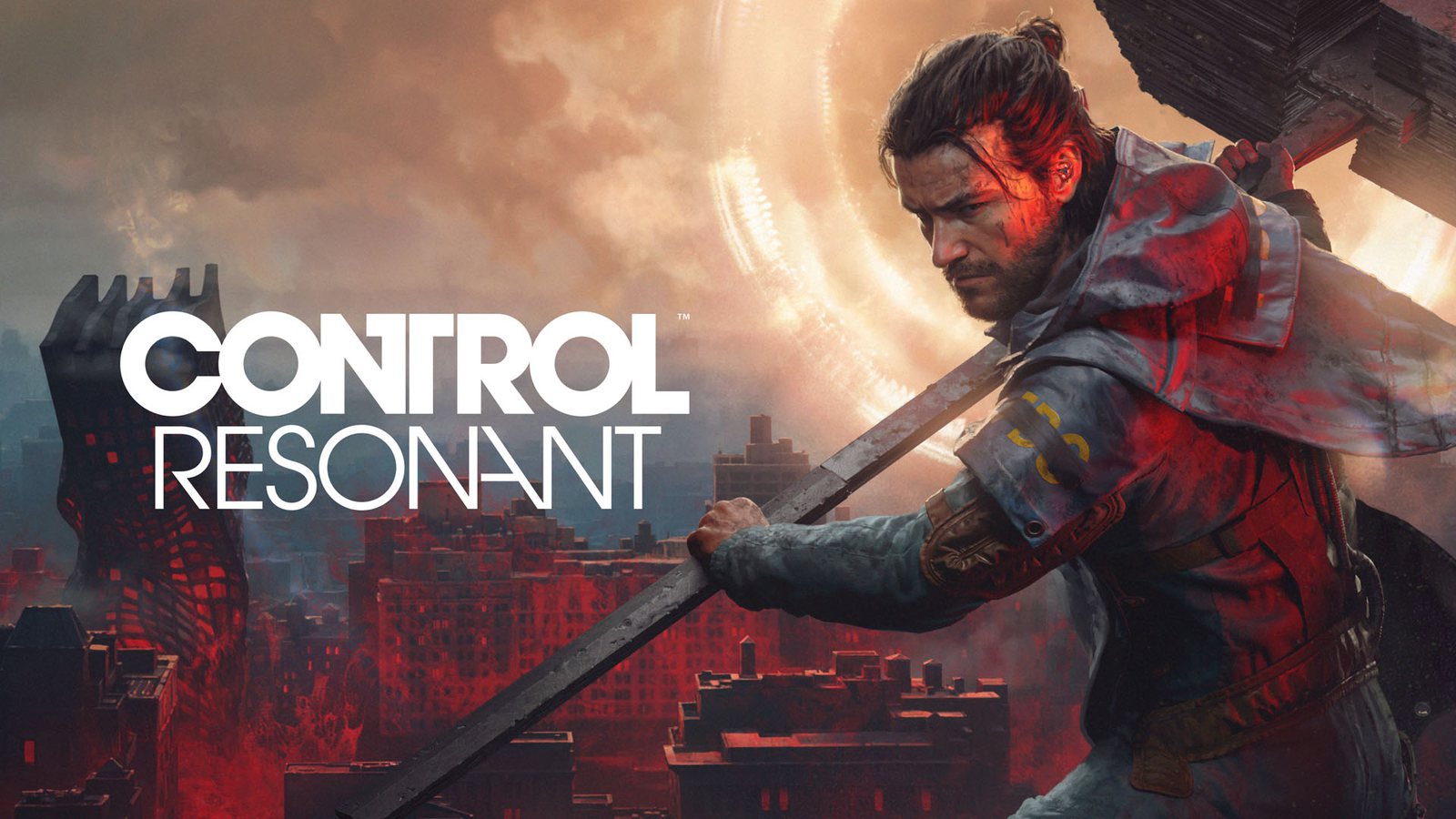
Everything You Need to Know About Control Resonant on Steam
Discover everything about Control Resonant on Steam, including gameplay shifts, technical improvements, and essential tips for mastering the paranatural.
Published:
Table of Contents
The wait is finally over: Remedy Entertainment’s highly anticipated action-adventure RPG, Control Resonant, has officially arrived on Steam. Stepping into the shoes of Dylan Faden in a warped, paranatural Manhattan, players are tasked with navigating a reality-bending crisis that far exceeds the scope of the original Oldest House setting.
Whether you are a long-time fan of the franchise or a newcomer intrigued by the surreal premise, understanding the mechanics of Control Resonant is vital for survival. This guide dives deep into the technical leaps, combat evolutions, and strategic nuances you need to succeed in this dense, challenging experience.
A Massive Leap: Comparing Control and Control Resonant
The transition from the claustrophobic, Metroidvania-inspired corridors of the original game to the sprawling, gravity-defying streets of Manhattan in Control Resonant is significant. Remedy has shifted from a focused, facility-based narrative to an expansive world where the environment itself acts as a primary antagonist.
Core Gameplay Differences
Feature
Original Control
Control Resonant
Setting
The Oldest House
Warped Manhattan
Protagonist
Jesse Faden
Dylan Faden
Combat Style
Third-person Shooter
RPG Action-Brawler
Traversal
Metroidvania backtracking
Open-world zone exploration
Weaponry
Service Weapon (Forms)
Aberrant (Morphing Melee)
As noted by players in recent community discussions, the switch to a melee-focused combat system may feel daunting initially. However, the game rewards those who take the time to master the rhythm of the new "Aberrant" weapon system.
Mastering Combat: The Shift to Action-RPG
Unlike the gunplay-heavy mechanics of its predecessor, Control Resonant demands a more tactile approach. You are no longer just keeping enemies at a distance; you are engaging in high-intensity brawls that require precision, evasion, and effective use of status afflictions.
Combat Mechanics Breakdown
Falter Meter: Similar to other action-brawlers, weakening an enemy enough will fill their "falter" meter, opening them up for devastating finisher moves.
Dominance Window: Successfully executing a finisher grants you a short window of "Dominance," where your damage output and speed are significantly increased.
Affliction Stacking: Use environmental elements to burn, shock, or freeze enemies. Syncing these effects is the key to managing spongy late-game foes.
Aerial Combat: With double jumps and air dashes, you are encouraged to stay off the ground, turning the city streets into your own personal arena.
Combat Efficiency
Don't rely on basic combos alone. Experiment with the "Aberrant" weapon’s forms—switching between the two-handed hammer and dual blades mid-combo will keep enemies off-balance and maximize your damage-per-second.
Navigating the Warped Reality of Manhattan
The world design in Control Resonant is arguably the studio's most ambitious project yet. Manhattan isn't just a backdrop; it is a distorted entity where gravity behaves inconsistently. You will find yourself walking up skyscrapers and fighting on roads that twist at 90-degree angles.
Traversal and Exploration Tips
Utilize Gravity Hooks: Dylan can pull himself to different surfaces. Use this not just for movement, but to escape tight combat situations.
Radio Towers: Activating these points is essential for uncovering the map and unlocking fast-travel nodes, which are vital given the scale of the world.
Mind Palace Management: Hold down on the D-pad to enter the "Void." Here, you can tweak your loadout, upgrade your Aberrant weapon, and manage your resources without having to find a physical save station.
With path tracing and advanced light propagation, Control Resonant is a graphical powerhouse. If you are aiming for a smooth 4K experience, ensure your rig is up to the challenge. Community reports indicate that the game is quite demanding on hardware, especially in areas with dense particle effects.
Recommended System Requirements
Component
Minimum Specification
Recommended Specification
OS
Windows 10/11 (64-bit)
Windows 10/11 (64-bit)
Processor
Intel i5-8500 / Ryzen 5 3500
Intel i7-10700 / Ryzen 7 3700X
RAM
16 GB
16 GB
Graphics
GTX 1070 / RX 5600 XT
RTX 3060 Ti / RX 6700 XT
Storage
120 GB (SSD Required)
120 GB (SSD Required)
If you experience visual flickering or frame drops, check your settings to ensure you are using the latest upscaling technology. The game supports dynamic multiframe generation to help maintain high performance during intense combat sequences.
Frequently Asked Questions (FAQ)
Q: Do I need to have played the first game to enjoy Control Resonant?
A: While prior knowledge of the FBC and the events in the Oldest House enriches the experience, Control Resonant includes a "Previously On" video in the main menu to get you caught up on the critical narrative beats involving the Faden siblings.
Q: Is there a public demo available for PC players?
A: According to developer communications and community feedback, there is currently no public demo for the game. Players are encouraged to check out trailers and review footage to get a sense of the new gameplay style before purchasing.
Q: How does the character progression system work?
A: You earn resources by completing main missions and side diversions. These can be used in the "Void" (accessed via the D-pad) to upgrade your abilities and Aberrant weapon. Note that re-specifying your build may require a specific consumable resource, so plan your upgrades carefully!
Q: Is the open world in this game as empty as other typical open-world titles?
A: No—the game avoids the "empty open world" pitfall by focusing on dense, distinct zones. Each area feels hand-crafted and rewards thorough exploration with lore, hidden artifacts, and challenging combat encounters that evolve as you progress.