Mastering Control Resonant Level Up: Zone XP & Talent Points
Master the unique Control Resonant level up system. Learn how Zone XP works, unlock Talent Points, and optimize Dylan's Aberrant weapon in Manhattan.
Published:
Table of Contents
Remedy Entertainment has never been a studio to follow industry trends, and their latest title is no exception. In a bold departure from traditional action RPG mechanics, the control resonant level up system completely redefines how players interact with the world and their character’s growth. Instead of the protagonist, Dylan Faden, accumulating experience points through combat, the city of Manhattan itself acts as the primary vessel for progression.
Understanding the nuances of the control resonant level up process is essential for surviving the paranatural threats lurking in the streets. Because the game offers very little hand-holding—Dylan won’t whisper puzzle solutions to himself, and the map won't always show the easiest path—mastering these systems early is the difference between a frustrating stalemate and a satisfying conquest of the Hiss-infested cityscape.
Quick Answer: How Progression Works
In CONTROL Resonant, Dylan Faden does not earn XP. Instead, each zone in Manhattan has its own XP meter. Completing activities in a zone levels up that specific region, granting "Zone Improvements" (like better loot and health drops) and awarding Dylan one Talent Point to spend on his skill tree. Additionally, defeating major bosses called Resonants scales the entire world's difficulty while granting Dylan new paranormal abilities.
The Core Mechanics of Zone-Based Progression
The most striking feature of the game is the shift from character-centric leveling to environmental leveling. Manhattan is divided into several large, open zones, each teeming with Hiss, Mold, and the new algorithmic threat known as Patterning. When you engage in activities within these zones—such as clearing combat encounters, finding hidden collectibles, or completing side quests—you contribute to that specific zone's XP bar.
When a zone reaches a new level, it triggers a "Zone Improvement." These improvements are designed to make your continued exploration of that area more rewarding and manageable. For example, a level-up might reveal the locations of rare loot chests on your map that were previously hidden, or it might increase the frequency of health item drops from defeated enemies.
Zone Leveling Rewards and Milestones
Zone Level
Reward Type
Effect on Gameplay
Level 1-2
Basic Utility
Increased health drop rate from Hiss/Mold enemies.
Level 3-4
Exploration
Loot chests and resource crates revealed on the local map.
Level 5-6
Challenge
Unlocks Arcade Cabinets for high-difficulty mission replays.
Every Level
Talent Point
Grants 1 Point to spend in Dylan's personal skill trees.
Community reports suggest that players should focus on leveling up the starting zones to at least Level 4 before venturing too deep into the more complex vertical districts. This ensures you have enough resources and Talent Points to handle the sudden spikes in enemy density.
How to Optimize the Control Resonant Level Up Cycle
To maximize your efficiency, you must treat Manhattan as a living entity. The control resonant level up cycle is deeply tied to your willingness to explore the "Metroidvania" aspects of the world. While the game features map markers, many of the most lucrative activities are unmarked.
Prioritize Faults: These are narrative-driven sequences where Dylan reconnects with his sister, Jesse. Completing these is the only way to unlock traversal mechanics like the floating jump, grapple, and gravity shift. Without these, many Zone XP activities remain physically unreachable.
Clean Up "Drive-By" Encounters: While traveling to a main mission, engage in the small skirmishes on rooftops and street corners. These provide steady trickles of Zone XP that add up quickly.
Hunt for Research Notes: Much like the first game, documents and recordings provide context, but in Resonant, finding specific research caches often triggers hidden side quests that offer massive XP payouts for the zone.
Earning Talent Points and Building Dylan
Although the world levels up, Dylan’s lethality is managed through Talent Points. Each control resonant level up milestone for a zone grants you one point. These points are spent on a multi-branched skill tree that emphasizes "If/Then" statements. For example, rather than a flat 5% damage increase, a talent might state: "If you execute a perfect dodge, then your next three attacks deal 50% more stagger damage."
Build Synergy
Don't just pick talents at random. Look for synergies between your Aberrant weapon forms and your passive nodes. If you enjoy the "Heavy Arc" form of the Aberrant, invest in talents that increase damage against airborne enemies, as that weapon form often launches foes.
The Resonant Boss Impact: Risk vs. Reward
Defeating a "Resonant"—one of the game's tentpole bosses—is a double-edged sword. These encounters are woven into the main story and serve as significant skill checks. Upon victory, Dylan absorbs a new paranormal ability, such as the power to summon Mold turrets or burst into flames. However, the world "fights back."
Remedy has implemented a global scaling system where killing a Resonant causes the Hiss and Mold to evolve. New, more dangerous enemy variants will begin to spawn in zones you previously cleared, and the overall level of standard encounters will rise.
World Evolution Post-Boss Defeat
Boss Defeated
New Ability Gained
World Reaction / Threat Level
First Resonant
Gravity Shift
Hiss enemies gain increased verticality and projectile speed.
Mold Resonant
Spore Turrets
Mold factions begin setting traps and Spore Clouds in subway zones.
Central Resonant
Magma Burst
Global enemy levels increase; new "Patterning" entities appear in Manhattan.
According to lead designer Sergey Mohov, this system forces players to be strategic. If you rush through boss fights to get new powers, you might find the open world becoming overwhelmingly difficult before you've had a chance to earn enough control resonant level up improvements to sustain yourself.
Mastering the Aberrant Weapon and Combat Flow
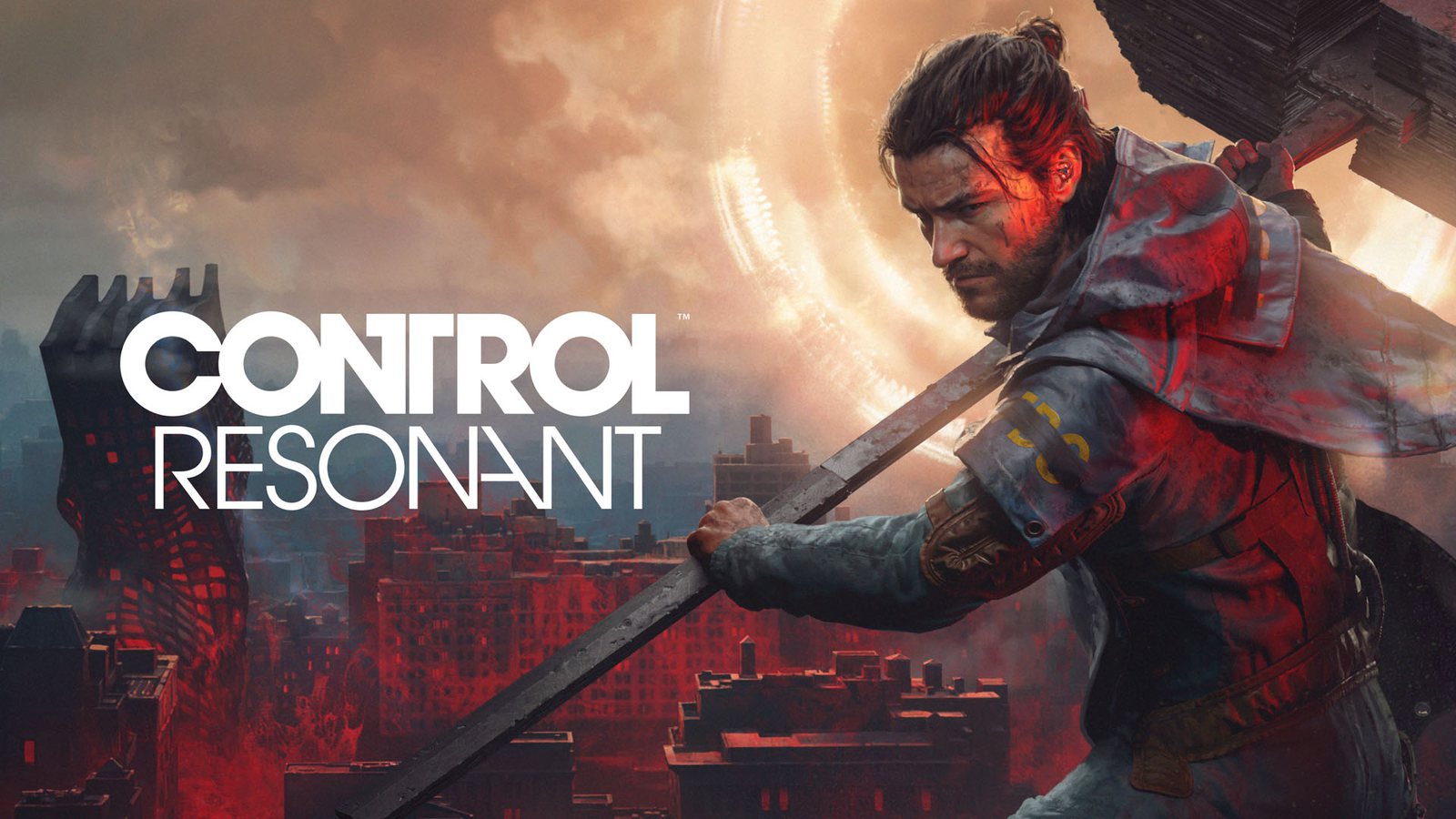
Combat in CONTROL Resonant shifts the focus from the Service Weapon’s gunplay to the Aberrant’s melee versatility. The Aberrant is a shapeshifting relic that Dylan can mold into three distinct forms at any given time. Each form has a specific niche in the combat "chessboard."
Quick Form: High attack speed, low stagger. Best for building up resource meters.
Balanced Form: Moderate reach and speed. Ideal for 1v1 duels against Hiss elite guards.
Heavy Arc Form: Slow, wide-reaching swings. Essential for crowd control and breaking the calcified armor of Mold enemies.
Faction Combat Strategies
Faction
Primary Weakness
Tactical Advice
Hiss
Stamina Breaks
Use quick attacks to deplete their red shields, then finish with a heavy slam.
Mold
Fire Damage
Mold is resistant to blunt force but extremely vulnerable to fire-based abilities.
Patterning
Gravity Manipulation
These algorithmic enemies often exist on different planes; use Gravity Shift to ground them.
Player experience suggests that the Mold faction requires a more methodical approach. They are "soft" and resistant to traditional blunt damage unless you target their calcified weak points. Breaking this armor with a heavy hammer-style attack is often a prerequisite for dealing actual health damage. You can check the official Steam page for CONTROL Resonant for the latest updates on combat tuning and enemy behavior.
Navigating the 4D Architecture of Manhattan
The New York City depicted in Resonant is not a standard open world. It is a multi-layered, reality-warping space where a 2D map is often useless. You will frequently find yourself in situations where a map marker is directly above you, but the "above" is actually a different gravitational plane accessible only through a specific portal or gravity-shift anchor.
Remedy's "Northlight Engine" allows for incredible geometric detail, but it also means the environment is a puzzle in itself. The "Patterning" threat transforms the cityscape into algorithmic mazes. If you find yourself stuck, look for environmental cues like bioluminescent mold or shifting taxi cabs, which often mark the "intended" path through a distorted zone.
The Respawn Trap
Be aware that every time you kill a major Resonant boss, the enemies in the streets respawn and grow stronger. If you are low on materials for upgrading the Aberrant, it is often better to farm a zone before engaging the next boss.
Conclusion: Perfecting Your Progression Strategy
The control resonant level up system is a testament to Remedy's commitment to immersive, world-driven storytelling. By tying Dylan's growth to the restoration and evolution of Manhattan, the game creates a symbiotic relationship between the player and the environment. You aren't just getting stronger to beat the game; you are helping the world react to and overcome the paranatural infection.
To succeed, remember to balance your pursuit of Talent Points with the reality of global scaling. Don't fear the difficulty—embrace the lack of guidance and trust your ability to decipher the rules of this broken city. With the right build and a deep understanding of how each control resonant level up affects the world, you will eventually turn Dylan into a force that even the Hiss cannot hope to contain.
FAQ: Control Resonant Progression
How does the control resonant level up system work?
Unlike traditional RPGs, Dylan Faden does not earn XP. Instead, you earn XP for the specific "Zone" of Manhattan you are currently in by completing missions, side quests, and combat encounters. When a zone levels up, you receive a Zone Improvement (like revealed map markers) and one Talent Point for Dylan’s skill tree.
Can I finish the game without killing all the Resonant bosses?
Yes. The developers have stated that while the first boss is mandatory, players have the choice to tackle the remaining Resonants in any order, and not all of them are required to reach the story's conclusion. However, skipping them means you will miss out on powerful paranormal abilities and significant Talent Points.
Why are the enemies getting harder even though I haven't leveled up?
This is due to the "World Response" system. Every time you defeat a major Resonant boss, the world scales in difficulty. New enemy types appear, and existing enemies gain higher levels and more health. This happens globally across all zones, not just the one where the boss was fought.
What is the best way to deal with Mold enemies?
Community reports indicate that Mold enemies are highly resistant to blunt damage due to their spongy texture. To defeat them efficiently, you should use fire-based abilities or target their calcified armor plates with heavy attacks to break them before switching to faster strikes.