Can a 5060 and Ryzen 7 260 laptop run Control Resonant?
Wondering if your rig can handle the new game? We analyze: Can a 5060 and Ryzen 7 260 laptop run Control Resonant? Check the requirements and performance tips.
Published:
Table of Contents
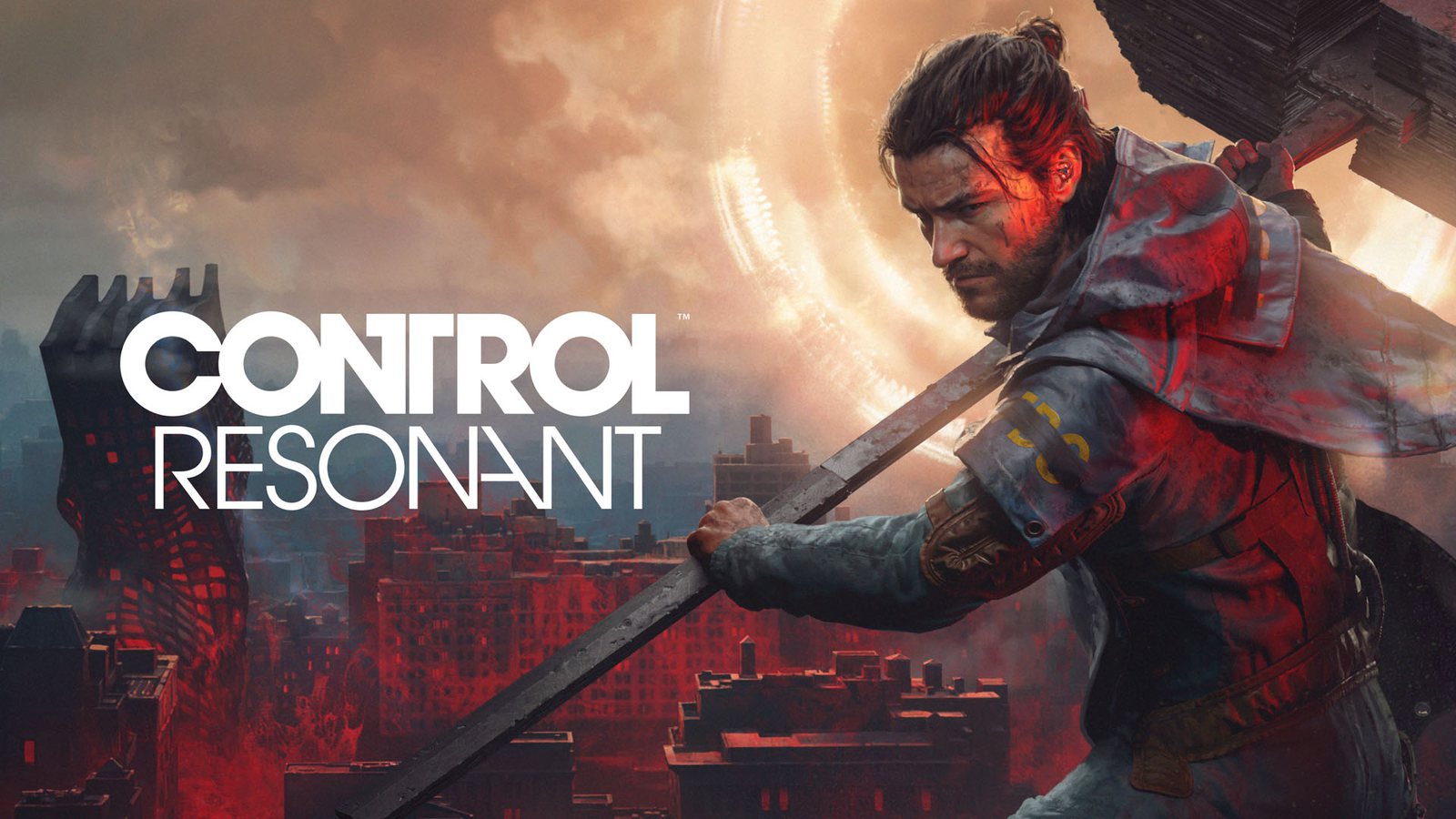
When Remedy Entertainment announced the release of their latest title, the gaming community immediately began crunching numbers to see if their current hardware could keep up. If you are asking, "can a 5060 and Ryzen 7 260 laptop run Control Resonant," you aren't alone; performance optimization is at the forefront of everyone’s mind. Understanding your system's capabilities before diving into this action-packed sequel is crucial for a smooth experience.
The importance of hardware compatibility cannot be overstated, especially with modern titles pushing graphical fidelity to new heights. Getting the right frame rates is the difference between an immersive journey through the game’s world and a frustrating, stutter-filled session. Let's break down exactly what this hardware combination means for your upcoming gaming sessions.
Analyzing the Hardware Landscape
To determine if your specific mobile setup is up to the task, we must look at how modern laptops compare to the official system requirements. While the "Ryzen 7 260" (likely referring to a variant in the 2000-series mobile architecture) and a theoretical "5060" mobile GPU represent specific segments, they must be weighed against Remedy's baseline recommendations.
Remedy has set a high bar for this release, focusing on SSD performance and modern processing power to manage the game's complex physics and lighting.
Component
Minimum Req (1080p/30fps)
Recommended (1440p/60fps)
Your Potential Setup
CPU
Intel i5-8500 / Ryzen 5 3500
Intel i7-10700 / Ryzen 7 3700X
Ryzen 7 (2000 Series)
GPU
GTX 1070 / Arc A580
RTX 3060 Ti / Arc B580
GeForce RTX 5060
RAM
16GB
16GB
Varies
Storage
120GB SSD
120GB SSD
SSD Required
Why Your Laptop Configuration Matters
The question of "can a 5060 and Ryzen 7 260 laptop run Control Resonant" usually boils down to thermal management and architectural efficiency. An RTX 50-series mobile GPU typically offers significant advancements in DLSS (Deep Learning Super Sampling) and frame generation, which are critical for meeting the game's higher performance targets.
However, the CPU acts as the gatekeeper for game logic and physics simulation. If your Ryzen 7 260 is struggling to process the rapid-fire action of the game's new ARPG-style melee mechanics, your GPU may end up waiting on the processor, leading to frame drops regardless of your graphical settings.
Optimize for Mobile Performance
Always update your GPU drivers via the official NVIDIA GeForce website before launching the game to ensure support for the latest upscaling technologies.
Achieving Stable Frame Rates
To get the most out of your hardware, you should focus on the game's "Upscaler Preset" settings. According to community reports and technical previews, switching from native resolution to "Balanced" or "Performance" mode can often bridge the gap between an unplayable stutter and a fluid 60fps experience on mid-tier mobile hardware.
Recommended Settings for Mid-Tier Laptops
Setting
Recommended Value
Reasoning
Upscaling
Balanced
Best balance for 1440p visuals
Ray Tracing
Off
Reduces heavy load on mobile VRAM
Graphics Preset
Medium
Retains visual fidelity without tanking FPS
Texture Quality
High
Depends on your laptop's VRAM capacity
The SSD Requirement: A Non-Negotiable Factor
One of the most vital takeaways from the official specs is the mandatory 120GB of SSD space. Many older laptops still utilize hybrid drives or slower HDDs. If you are playing on a gaming laptop, ensure that the game is installed on a high-speed NVMe SSD. Loading times and asset streaming in the sequel are far more demanding than the original title, and running it from a mechanical drive will result in a sub-optimal, stutter-prone experience.
Addressing Common Performance Bottlenecks
Even if you have the hardware, software overhead can hinder your performance. Here is how to troubleshoot common issues:
Thermal Throttling: Gaming laptops often hit high temperatures during intense sessions. Ensure your fans are clean and the laptop is on a hard, flat surface to allow for maximum airflow.
Background Processes: Disable browser windows and high-resource applications before launching the game to free up your CPU for the game's engine.
Power Profiles: Always run your laptop in "High Performance" or "Turbo" mode while plugged into the wall. Battery-saving modes will severely throttle both the Ryzen 7 and the 5060.
Comparing Visual Presets
Remedy has designed the engine to be flexible. Many players report that the difference between "Medium" and "High" settings is marginal compared to the massive gains in smoothness provided by the upscaling tech.
Performance Checklist
Ensure you have 16GB of system RAM installed.
Verify you have 120GB of free space on an NVMe SSD.
Use an upscaling preset (Balanced or Performance) if you encounter dips below 60fps.
Keep your laptop connected to its power brick during play.
Frequently Asked Questions (FAQ)
Q: Can a 5060 and Ryzen 7 260 laptop run Control Resonant at 4K?
A: It is unlikely to achieve a stable 60fps at 4K with this configuration. This setup is better suited for 1080p or 1440p gaming at Medium to High presets.
Q: Do I need Ray Tracing enabled?
A: Ray Tracing is computationally expensive. If you are struggling with frame rates, keep this setting "Off" to significantly improve performance on your laptop.
Q: Is 16GB of RAM really necessary?
A: Yes, 16GB is the baseline requirement. Running the game with 8GB will likely lead to massive stuttering and memory swapping, which ruins the experience.
Q: Can I run this game on an HDD?
A: While possible, it is highly discouraged. The game expects the high-speed data throughput of an SSD. Using an HDD will cause frequent asset loading hitches.