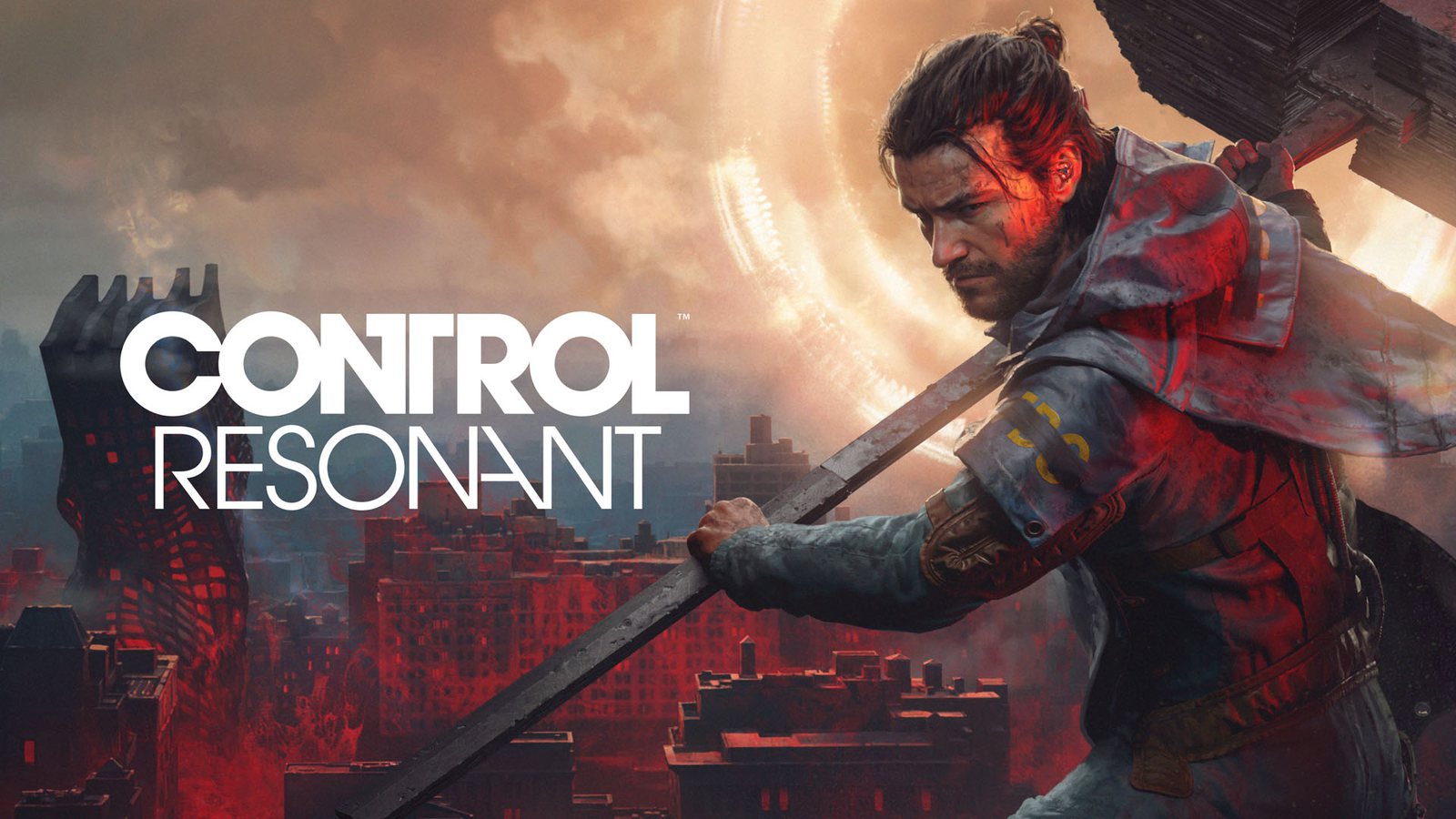
Control Resonant OpenCritic Review: Is It Worth Playing?
Discover why the Control Resonant OpenCritic score defines this bold sequel. We break down the gameplay, combat mechanics, and if it’s a must-play for 2026.
Published:
Table of Contents
The wait is finally over for fans of Remedy Entertainment’s enigmatic universe. As the Control Resonant OpenCritic score settles among the top-tier releases of the year, players are eager to know if this transition to an open-world, melee-focused experience truly captures the magic of the original hit.
Whether you are a newcomer to the Federal Bureau of Control or a seasoned veteran who survived the Hiss invasion, understanding the critical reception of Control Resonant is essential before diving into its shifting, surreal version of Manhattan. With a strong presence on Steam, this title is positioned as one of the most significant action games of 2026, and we are here to break down exactly why.
Understanding the Control Resonant Reception
The initial Control Resonant OpenCritic rating highlights a divide between those who adore its creative risks and those who find its departure from the "Oldest House" structure challenging. Critics currently place the game in the 93rd percentile of titles, underscoring its status as a major technical and artistic achievement for Remedy.
Critical Consensus vs. Player Expectations
Most reviewers agree that the shift to a melee-heavy, character-driven narrative pays off, though it requires a recalibration of muscle memory for players used to the first game's telekinetic gunplay.
Metric
Standing
Key Takeaway
OpenCritic Rating
84
Widely considered a "Mighty" release.
Critic Recommendation
High
Strong consensus on visual direction.
Gameplay Style
Action RPG
A pivot toward faster, visceral combat.
Platform Availability
PC (Steam)
Optimized for modern GPU hardware.
According to community reports, while some users feel the early game pacing is intentionally slow, the payoff in environmental storytelling and the depth of the combat system eventually wins over skeptics.
Combat Mechanics: The Shift to Melee Mastery
One of the most radical changes in Control Resonant is the introduction of the "Aberrant," a sentient, shapeshifting weapon. Unlike the previous game's reliance on ranged telekinesis, this sequel demands that you master close-quarters combat.
Weapon Archetype Breakdown
Players can now customize their loadouts, shifting from high-speed daggers to heavy-hitting hammers mid-combo. This dynamic approach creates a "flywheel" effect: your successful hits restore resources, allowing you to trigger devastating finishers.
Twin Daggers: Best for speed and building up initial falter states.
Heavy Scythe/Axe: Ideal for crowd control and heavy target damage.
Gauntlets: Perfect for closing the gap and delivering bone-crushing finishers.
Combat Optimization
Always look to utilize the perfect dodge mechanic. Timing your dash just as an enemy strikes allows you to enter a retaliation state, launching foes into the air for easy follow-up juggles.
Performance and Visual Art Direction
Remedy’s Northlight engine has been pushed to new limits here. While the game looks breathtaking, community feedback notes that performance can vary depending on your ray-tracing settings.
Hardware Performance Targets
Setting
Performance Impact
Recommendation
Ray Tracing (Low/Med)
Manageable
Use on high-end cards (RTX 4080+).
Ray Tracing (Ultra)
Heavy Load
Only for top-tier enthusiast rigs.
No Ray Tracing
Excellent
Highly recommended for 60+ FPS stability.
As noted by players, the visual direction is more "messy" and "Escher-like" than the clean, brutalist aesthetic of the first game. The way Manhattan folds in on itself creates a sense of vertigo that is both technically impressive and visually overwhelming.
Exploring the "Resonant" World
The transition to an open-world Manhattan is not just a change in scale; it changes how you traverse the game. You are no longer navigating a static office building, but a city that behaves like a living, breathing, and occasionally hostile organism.
Tips for Effective Exploration
Unlock Movement Abilities Early: Focus on dash and double jump upgrades to make navigating the verticality of the world much easier.
Utilize the Hub Space: Remember that you can "zoom into the psyche" at any time without loading screens to swap skills.
Follow the Music: Use the environmental audio as a compass; it often leads you to secrets or critical path objectives.
Community Insights: What Veterans Are Saying
While the Control Resonant OpenCritic score is a great barometer, the heartbeat of this game lies in the player community. Fans are consistently praising the "humanness" injected into Dylan’s journey, which contrasts heavily with the cold, bureaucratic mystery of Jesse’s story in the first game.
The Positive: Players love the seamless dialogue system that occurs during combat, keeping the narrative flowing without awkward cutscenes.
The Negative: Some newcomers find the enemy types occasionally difficult to read during chaotic, high-speed encounters, specifically those that blend into the environmental textures.
Frequently Asked Questions (FAQ)
Is the Control Resonant OpenCritic score indicative of the game's difficulty?
Yes, the 84 average reflects a game that is challenging but accessible. The game includes robust accessibility options, allowing you to adjust damage scaling if you find specific bosses too punishing.
Do I need to have played the first Control to enjoy this?
While it shares the universe, the game does a solid job of standing on its own. However, playing the original will provide essential context for the relationship between the Faden siblings.
What are the main technical issues reported?
Some players have noted frame rate fluctuations in specific, asset-heavy indoor levels when using high-intensity ray tracing. Turning ray tracing off typically resolves these issues while maintaining the game's stunning art direction.
How does the combat compare to other action games?
Many reviewers describe the combat as a blend of Nier: Automata’s speed and the studio's own unique, paranatural flair. It’s significantly more rhythmic and melee-focused than the original title.
In conclusion, Control Resonant stands as a bold, ambitious step forward. While it takes risks that deviate from the established formula, its focus on visceral, stylish combat and a deeply personal story makes it a defining experience of the 2026 gaming calendar.